Images: David Lovelady
Financial Times | August 2024
In Mark Cavendish’s tyre tracks on the Isle of Man
The little island on the Irish Sea has become a breeding ground for cycling champions – including the newly crowned greatest sprinter of all time
Dot Tilbury stares out of the cafe window at the sun-lit sweep of Douglas bay and considers my question. “I’m not really sure how you’d categorise my role in his development,” she says. “Coach? Not really. Mentor? Mmm. I think really I was just the person who booked his ferry tickets.”
She’s being modest, of course. Outrageously so, in fact. The athletic 74-year-old – alert eyes framed by statement, purple tortoise-shell glasses – is a veritable force of nature and almost as well known here on the Isle of Man as her record-breaking former charge.
Back in the early 1990s, less than a mile from where we’re sitting, Tilbury started a weekly league in which children from all over the island – many with no previous cycling experience – could turn up and race around the half-mile perimeter road encircling the National Sports Centre (NSC) complex.
Among the thousands of children who have attended over the subsequent decades, garnering the initiative international acclaim and Tilbury an MBE, was a curly-haired nine-year-old with a black BMX, oversized red helmet and (his own description) “pudgy little legs”. The boy rolled up one Tuesday evening in 1995, entered a two-lap race and proceeded to come “dead last”.
Last month, from such inauspicious beginnings, that pudgy little chap became the greatest sprinter in cycling history.
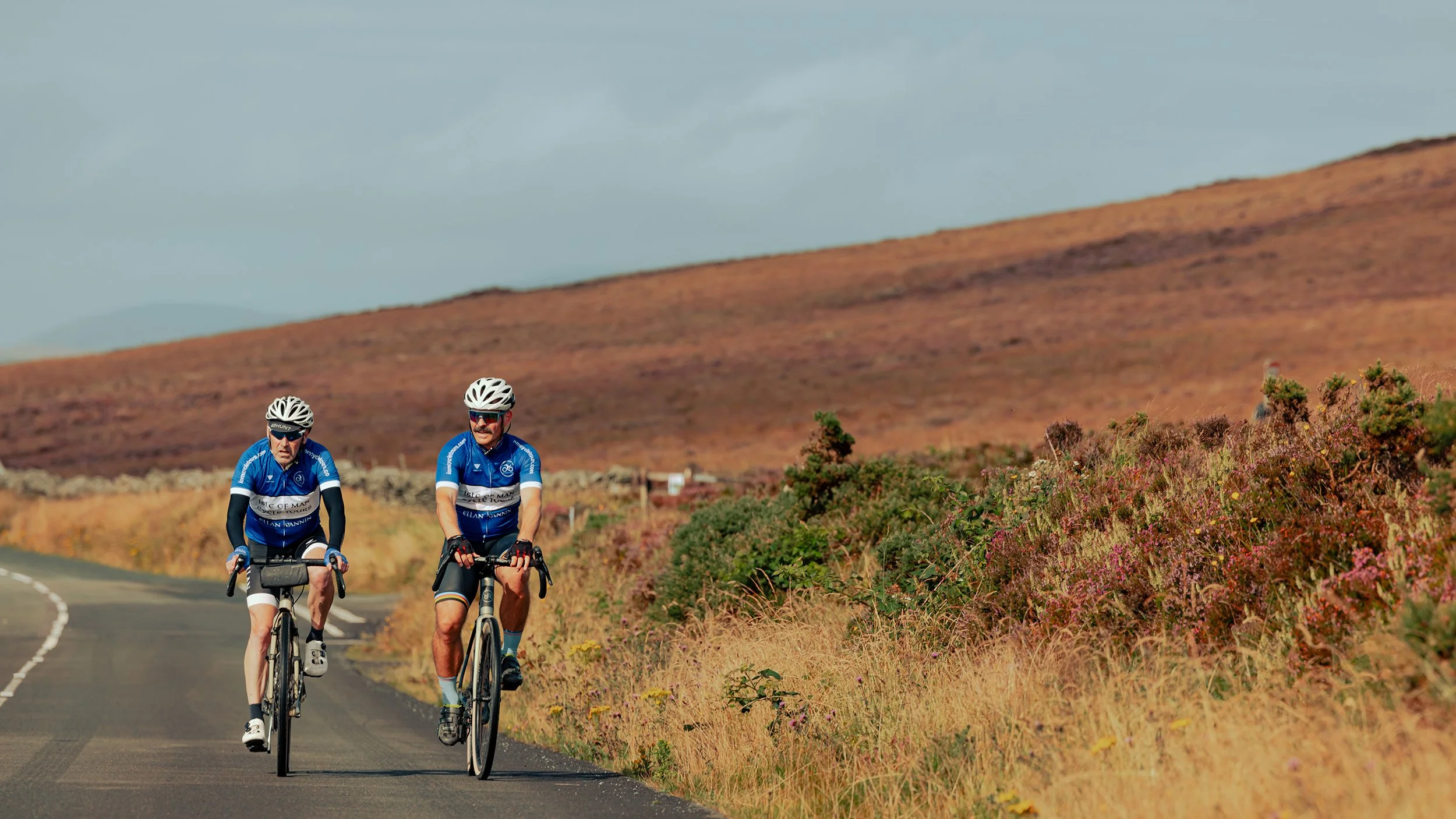
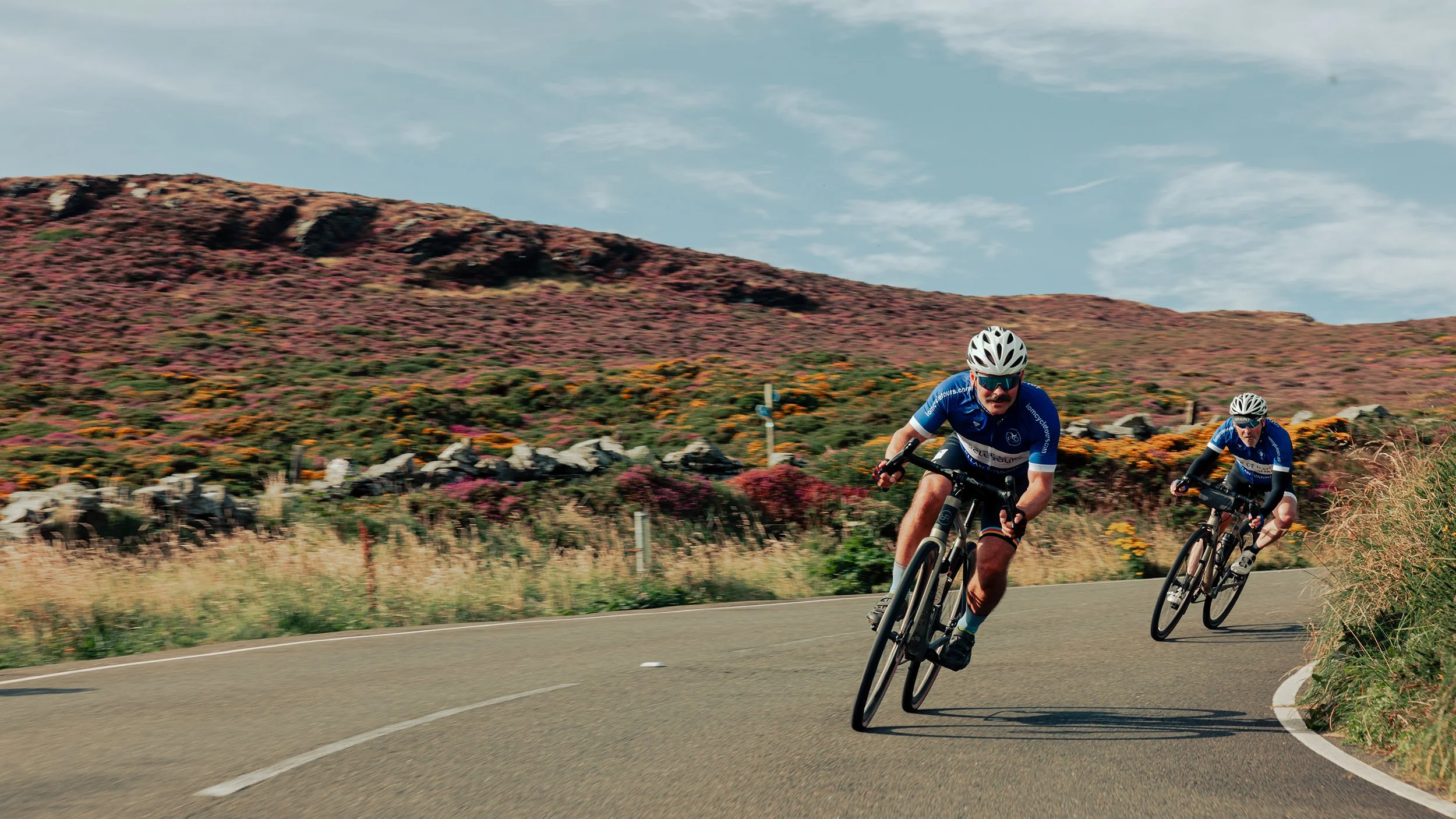
Mark Cavendish – who on July 3 finally secured the 35th Tour de France stage win that took him ahead of the legendary Eddy Merckx – is the proudest of Manxmen. The 39-year-old speaks regularly and candidly about the beautiful but quirky island nation in the Irish Sea that shaped him as a character, and its intricate web of roads, lanes and hills that forged him as a cyclist.
With the island backpedalling hard from its Victorian time-capsule stereotype and attempting to reposition itself as a vigorous outdoors and cycling hub, I’ve come on a Cavendish-inspired pilgrimage to see whether it all stacks up.
Arriving by air, one thing is immediately clear: the Isle of Man is way too small and landmark-strewn to sustain any serious loss of bearings. Just 53km long and 22km at its widest point, it has a high point (Snaefell, 621m) that helpfully stands broadly in its centre; a sequence of coastal towns spaced evenly around its coastline; and castles, towers and Victorian follies in almost every direction you look.
I’ve recruited a guide, regardless: Richard Fletcher, who represented the Isle of Man in multiple Commonwealth Games in the 1980s and 1990s and is now a race organiser and all-round two-wheel evangelist. When the ‘Manx Missile’ was back on the island in March and wanted to join a local race, it was Fletcher who organised it. “I said pay your £20 and we’ll sort it,” he says – an amusingly derisory sum for someone who set their Tour de France record riding and wearing £180,000 worth of cycling gear.